

Which 2026 Lexus Models Offer the Best Highway Fuel Economy? ES 350h, NX 350h, RX 350h, and UX 300h Compared
May 30 2026,
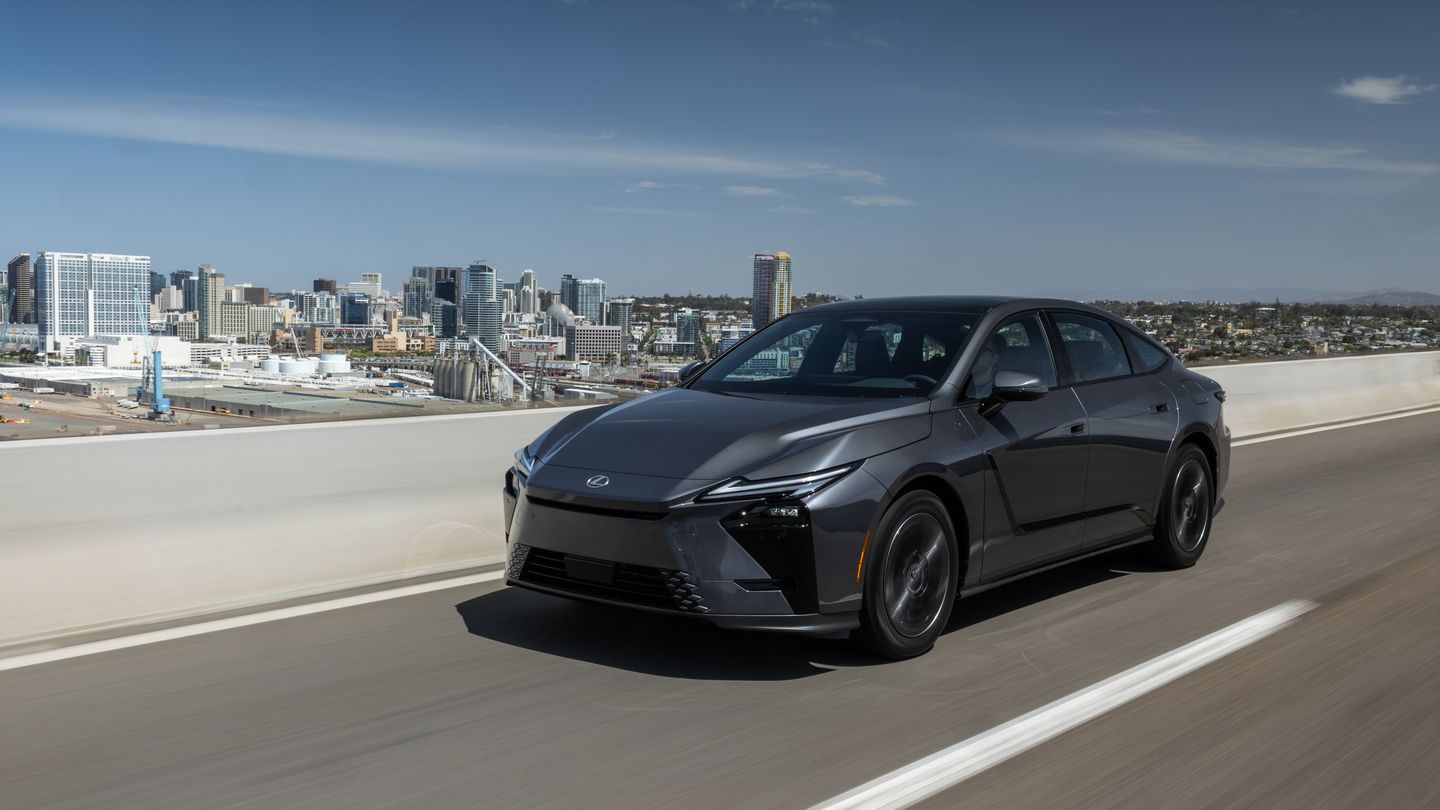
Highway driving puts a hybrid system to the test in a specific way. Unlike city driving, where stop-and-go traffic allows frequent electric motor use and regenerative braking to recover energy, the highway demands sustained cruising at higher speeds. The combustion engine carries more of the load. Efficiency depends more on aerodynamics, vehicle weight, and how well the hybrid system manages cruise conditions than on how often the electric motor can step in.
The four Lexus hybrid models in this comparison, the ES 350h, NX 350h, RX 350h, and UX 300h, each approach that challenge differently. Two are sedans, two are SUVs. Three use all-wheel drive as standard. Here is how their manufacturer-estimated highway consumption figures compare, and what those numbers reflect about how each vehicle is engineered.
#1: 2026 Lexus ES 350h AWD: 5.6 L/100 km Highway
The ES 350h takes the top spot in this comparison with a manufacturer-estimated highway consumption of 5.6 L/100 km (combined: 5.3 L/100 km). It benefits from a combination of factors: a sedan body with superior aerodynamics compared to an SUV, a new multi-link rear suspension and variable gear ratio steering on the redesigned GA-K platform, and the sixth-generation hybrid system that favours the electric motor more aggressively than previous generations did. The result is a system that keeps combustion engine revs low and consistent at cruising speeds.
The ES 350h also uses Active Noise Control and a redesigned muffler to minimize the sensation of engine work at highway speed, which adds to the experience of its efficiency. Combined system output is 244 hp.
- Highway: 5.6 L/100 km
- Combined: 5.3 L/100 km
- System output: 244 hp
- Drivetrain: Standard AWD (all Canadian grades)
#2: 2026 Lexus NX 350h AWD: 6.4 L/100 km Highway
The NX 350h comes in second with a manufacturer-estimated highway figure of 6.4 L/100 km (combined: 6.0 L/100 km). As a compact SUV, it carries more frontal area and weight than the ES sedan, which affects its highway performance relative to the sedan. Its 2.5 L four-cylinder hybrid system produces 240 combined horsepower through an eCVT. Standard AWD is fitted to all Canadian NX 350h grades.
The NX 350h is available in six grades from Premium through F SPORT 3, and its 6.0 L/100 km combined rating is the best in the NX lineup. For buyers who want a compact luxury SUV with the lowest regular fuel cost of the three NX powertrains, the 350h is the clear choice over the 350 gas and the 450h+ PHEV once the battery is depleted.
- Highway: 6.4 L/100 km
- Combined: 6.0 L/100 km
- System output: 240 hp
- Drivetrain: Standard AWD (all Canadian grades)
#3: 2026 Lexus RX 350h AWD: 6.8 L/100 km Highway

The RX 350h uses the same 2.5 L hybrid architecture as the NX 350h but carries it in a larger, heavier midsize SUV body. Its manufacturer-estimated highway consumption is 6.8 L/100 km (combined: 6.5 L/100 km). At 4,890 mm in overall length and with a significantly larger footprint than the NX, the modest increase in highway consumption relative to its compact sibling is predictable. The RX 350h produces 246 combined system horsepower.
The RX 350h is available in five grades from Premium to Executive, all with standard AWD. It offers 838 L of cargo space behind the rear seats, which places it in a different practical category from the NX regardless of fuel economy.
- Highway: 6.8 L/100 km
- Combined: 6.5 L/100 km
- System output: 246 hp
- Cargo (behind 2nd row): 838 L
- Drivetrain: Standard AWD (all Canadian grades)
#4: 2026 Lexus UX 300h AWD: 5.9 L/100 km Highway
The UX 300h finishes last in this comparison on the highway figure, but the gap from the NX 350h and RX 350h is smaller than its compact size and lower system output might suggest. Its 2.0 L four-cylinder hybrid system produces 196 total system horsepower through a shift-by-wire eCVT. Manufacturer-estimated highway consumption is 5.9 L/100 km (combined: 5.6 L/100 km, city: 5.3 L/100 km). Standard AWD is fitted to every Canadian grade.
The UX 300h's compact footprint and low kerb weight work in its favour at city speeds particularly, where its 5.3 L/100 km city rating beats every other model in this comparison. For buyers who do more urban and suburban driving than sustained highway travel, the combined 5.6 L/100 km figure tells a stronger story than the highway number alone.
- Highway: 5.9 L/100 km
- Combined: 5.6 L/100 km
- City: 5.3 L/100 km
- System output: 196 hp
- Engine: 2.0 L four-cylinder
- Cargo (behind 2nd row): 486 L
- Drivetrain: Standard AWD (all Canadian grades)
Highway Fuel Economy Comparison
|
Model |
Highway L/100 km |
Combined L/100 km |
System hp |
Body Type |
|---|---|---|---|---|
|
ES 350h AWD |
5.6 |
5.3 |
244 |
Sedan |
|
UX 300h AWD |
5.9 |
5.6 |
196 |
Subcompact SUV |
|
NX 350h AWD |
6.4 |
6.0 |
240 |
Compact SUV |
|
RX 350h AWD |
6.8 |
6.5 |
246 |
Midsize SUV |
What the Numbers Tell You
The ES 350h's sedan body gives it the best highway figure in the group at 5.6 L/100 km, but the UX 300h at 5.9 L/100 km is a closer second than its smaller size and lower output would suggest. Both finish ahead of the NX 350h and RX 350h on the highway.
The more revealing figure is the city rating. The UX 300h's 5.3 L/100 km city figure matches the ES 350h exactly and beats both SUVs by a meaningful margin. For buyers who do more urban and suburban driving than sustained highway travel, the UX 300h and ES 350h are the two models in this group that reward stop-and-go conditions most effectively.
The NX 350h and RX 350h track closely despite the size difference, which reflects how well the 2.5 L hybrid architecture scales between the two vehicles. Buyers who split their driving between city and highway should weigh combined ratings alongside each model's practical size and cargo space.
Explore the Lexus Hybrid Lineup at Regency Lexus
Visit the team at Regency Lexus in Vancouver to compare the ES 350h, NX 350h, RX 350h, and UX 300h in person and work through which hybrid model best fits your driving routine.
